
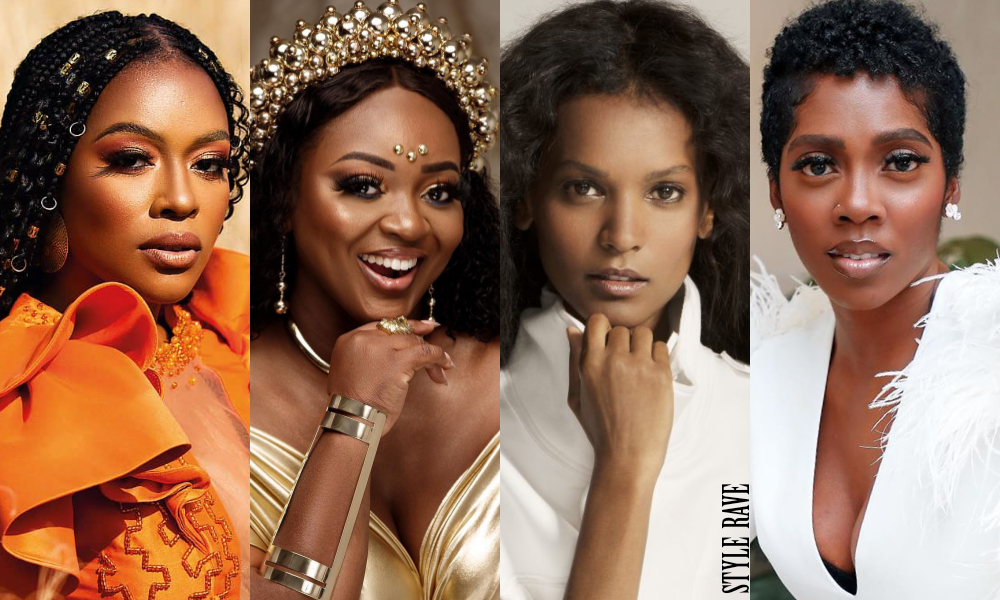
Beauty has always fascinated humanity. From art and literature to fashion and cinema, the concept of a beautiful woman has been celebrated, analyzed, and sometimes debated. But what does it truly mean to be a beautiful woman? Is it merely physical appearance, or does it go deeper into personality, confidence, and impact? In this article, we’ll explore the many dimensions of beauty, shedding light on what makes women captivating in both appearance and character.
The Definition of Beauty: More Than Meets the Eye
When we talk about beautiful women, most people immediately imagine physical attributes: flawless skin, radiant hair, sparkling eyes, or a symmetrical face. Indeed, culture and media have shaped these traditional ideals over time. Yet, beauty is far more than just a surface-level concept. A woman can be striking not only because of her features but also because of her aura, her confidence, and the way she carries herself.
Psychologists suggest that beauty also lies in perception. What one person finds attractive, another may not. This subjectivity means that “beautiful women” cannot be universally defined, making beauty a highly personal and cultural experience. A woman’s smile, kindness, or intelligence can make her incredibly beautiful in ways that photos and magazines cannot fully capture.
Furthermore, beauty standards change over time. What was considered desirable decades ago may no longer hold the same appeal today. This ever-evolving nature of beauty highlights that while physical attributes may draw attention initially, lasting beauty is often measured by character and authenticity.
Physical Beauty: Celebrating Features and Style
Physical beauty often draws the first glance, and it’s understandable why many people associate beautiful women with aesthetics. Features like sparkling eyes, healthy hair, smooth skin, and a well-proportioned figure often capture attention. However, physical beauty is just the starting point of what makes a woman truly captivating.
Fashion and style also play a significant role. Beautiful women often use style as a form of self-expression. The way a woman dresses, accessorizes, or carries herself can enhance her natural features and leave a lasting impression. Style is personal—it’s not about following trends blindly but finding what complements personality and confidence. A woman confident in her choices can appear more radiant than someone who fits the media’s ideal yet lacks self-assurance.
Additionally, physical beauty is often enhanced by health and self-care. A balanced lifestyle, proper skincare, fitness, and mental well-being contribute to a woman’s radiance. Beautiful women often project vitality and energy that goes beyond looks, proving that beauty is as much about how one feels as how one appears.
Inner Beauty: Confidence, Personality, and Grace
While physical appearance can draw attention, inner beauty keeps it. Traits like kindness, empathy, intelligence, and humor define a woman beyond her looks. Many people find women more attractive when they carry themselves with confidence and positivity, highlighting that beauty is deeply intertwined with character.
Confidence plays a central role. A woman who is comfortable in her skin, unafraid to express herself, and embraces her strengths can be magnetic. Grace and charm also contribute significantly to perceived beauty. How a woman interacts with others, her body language, and even her choice of words can enhance the impression of beauty.
Personality traits like resilience, creativity, and passion are increasingly recognized as elements of true beauty. For instance, women who inspire others through their accomplishments, social initiatives, or artistic talents often leave a more lasting impression than someone solely defined by appearance. Inner beauty adds depth, creating a balance between what is seen and what is felt.
Cultural Perceptions of Beautiful Women
Beauty is often a reflection of cultural values. Different societies celebrate distinct features, body types, and styles. For instance, while Western media often emphasizes symmetry and youth, other cultures might prioritize elegance, sophistication, or traditional attire as markers of beauty.
This cultural diversity shows that beautiful women cannot be reduced to one universal standard. In some countries, a warm smile and humility may define attractiveness, while in others, elegance and poise are highlighted. These cultural differences enrich the global understanding of beauty, showing that it is multifaceted and inclusive.
Moreover, globalization and media have brought cross-cultural beauty influences into daily life. Today, women can embrace a blend of traditional and modern styles, redefining what it means to be beautiful in ways that celebrate individuality rather than conformity.
The Role of Media and Celebrities
Media plays a massive role in shaping perceptions of beautiful women. Celebrities, influencers, and public figures often set trends and ideals that society admires. From Hollywood stars to global models, the media often showcases women who embody both physical and inner beauty.
However, this influence is double-edged. While it can inspire, it can also create unrealistic expectations. Many images are digitally enhanced, setting unattainable beauty standards. Despite this, modern media also celebrates diversity, body positivity, and authenticity. Campaigns showcasing different ethnicities, body shapes, and age groups are reshaping what society considers beautiful.
Ultimately, media is a reflection of society’s evolving tastes. Beautiful women in media are not just about aesthetics—they also represent confidence, talent, and individuality. Celebrities who embrace authenticity and advocate for causes often inspire more admiration than those who rely solely on looks.
Aging Gracefully: Beauty Across Lifetimes
Beauty is often associated with youth, but it is not limited to it. Women of all ages can embody beauty in unique ways. Aging gracefully is about embracing one’s life experiences, wisdom, and confidence. Mature women often radiate a sense of calm and assurance that younger women are still developing.
Skin wrinkles, gray hair, and life experiences are natural and can enhance a woman’s charm rather than diminish it. Beautiful women at any age are those who embrace their journey, stay confident, and continue to express themselves authentically. Society is increasingly recognizing this shift, celebrating role models and public figures who embody beauty beyond youth.
Furthermore, aging offers freedom in style and self-expression. Women can experiment with fashion, beauty routines, and lifestyles that reflect their evolving personality. True beauty transcends age—it’s about presence, poise, and authenticity.
Beauty and Impact: Inspiring Through Influence
Many beautiful women are admired not just for their looks but for the impact they create. Women who lead social movements, contribute to art and science, or mentor others leave a legacy of influence. Their beauty is magnified by their actions, demonstrating that true attractiveness encompasses both aesthetics and meaningful contributions.
Influence is a modern measure of beauty. A woman who inspires confidence, educates others, or advocates for change can be considered one of the most beautiful figures in society. These women remind us that beauty is not fleeting—it grows as one leaves a positive mark on the world.
This dimension of beauty is often underappreciated but is critical in understanding why some women remain unforgettable. Their combination of character, impact, and authenticity defines a timeless kind of attractiveness.
Redefining Standards: Embracing Diversity
In the contemporary world, the concept of a beautiful woman is being redefined. Diversity, inclusivity, and authenticity are at the forefront. Society is slowly moving away from rigid standards and embracing individuality, celebrating women of all shapes, sizes, ethnicities, and abilities.
This redefinition is empowering. It allows women to embrace their unique qualities and express themselves without judgment. Beautiful women are now recognized for what makes them different, rather than for conforming to a specific ideal. This shift highlights that beauty is a blend of uniqueness, confidence, and authenticity.
The modern appreciation of beauty also includes mental and emotional strength. Women who overcome challenges, express vulnerability, and stay true to themselves are celebrated for qualities that transcend superficial standards. True beauty is holistic, combining body, mind, and spirit in harmony.
Conclusion: Understanding True Beauty
Beautiful women cannot be reduced to appearances alone. While physical attributes may attract attention, lasting beauty is shaped by confidence, personality, character, and impact. Beauty is subjective, culturally influenced, and ever-evolving. It spans all ages, backgrounds, and life experiences.
By embracing diversity, authenticity, and inner strength, society is gradually understanding that a beautiful woman is not defined by a single standard but by a combination of traits that make her unique. From physical grace to inner brilliance, beauty is a multidimensional concept that continues to inspire and captivate humanity.
In essence, every woman has the potential to be beautiful—not just in how she looks but in how she lives, influences, and expresses herself. True beauty is more than skin deep—it’s a reflection of one’s soul.