
When one name repeatedly surfaces in discussions about one of the world’s most haunting unsolved cases, it naturally raises questions. Who is Christian Brueckner, and why has he drawn so much international attention? More importantly, how does his life story intersect with a case that continues to grip the public imagination years later?
This article takes a careful, informed, and balanced look at Christian Brueckner. It is written in a clear, expert-but-casual tone, focusing on verified facts, legal context, and responsible analysis. Rather than fueling speculation, the goal here is to provide clarity, background, and perspective.
Who Is Christian Brueckner?
Christian Brueckner is a German national whose name became widely known due to his connection to major criminal investigations in Europe. Before public attention intensified, Brueckner lived largely on the margins of society, moving frequently and maintaining a low-profile lifestyle. His background reflects instability, frequent relocations, and a pattern of behavior that later drew the attention of law enforcement agencies.
From an early age, Brueckner experienced a turbulent upbringing. Reports indicate that his childhood lacked structure and stability, which later translated into a transient adult life. He spent significant time in different parts of Germany and Portugal, often living in temporary accommodations or isolated areas. This mobility would later become a point of interest for investigators.
It is important to clarify that while Brueckner has been convicted in unrelated criminal cases, his association with certain high-profile investigations remains legally classified as that of a suspect. Understanding this distinction is crucial when examining his story through a factual and ethical lens.
Early Life and Personal Background
Christian Brueckner was born in Germany in the late 1970s. His early years were marked by instability, including time spent in foster care. This formative environment reportedly played a role in shaping his later behavior and worldview, though it does not excuse criminal actions.
As he grew older, Brueckner struggled to establish long-term roots. He often lived alone and worked sporadically, sometimes relying on informal or temporary jobs. Friends and acquaintances from his earlier years have described him as socially distant and unpredictable.
This pattern of isolation is often discussed by experts when analyzing individuals who later become involved in serious criminal investigations. While many people with difficult childhoods never engage in criminal behavior, Brueckner’s background provides context for understanding how his adult life unfolded.
Life in Portugal and Frequent Travel
One of the most significant chapters in Christian Brueckner’s life was his time in Portugal. He spent several years living in the Algarve region, an area known for tourism and expatriate communities. During this period, he lived in various locations, including rural and isolated settings.
Brueckner’s choice of living arrangements often kept him away from close community ties. This made him harder to track and contributed to law enforcement interest later on. His movements between Germany and Portugal were frequent, and he often changed vehicles and phone numbers.
Investigators later emphasized how this transient lifestyle complicated efforts to build a comprehensive timeline of his activities. At the same time, it also raised questions about how easily someone could move across borders in Europe without attracting attention.
Criminal History and Convictions
Christian Brueckner does have a criminal record, which includes convictions for serious offenses unrelated to certain high-profile cases he is linked to. German courts have convicted him for crimes including sexual offenses, and he has served prison time as a result.
These convictions are a matter of public record and have been confirmed by judicial authorities. They play a major role in why investigators consider him a person of interest in other investigations. However, it is essential to separate confirmed convictions from allegations that have not been proven in court.
Legal experts often stress that a criminal history alone does not establish guilt in unrelated cases. Still, patterns of behavior, prior offenses, and proximity to key locations are commonly used by investigators when narrowing down suspects.
Connection to the Madeleine McCann Investigation
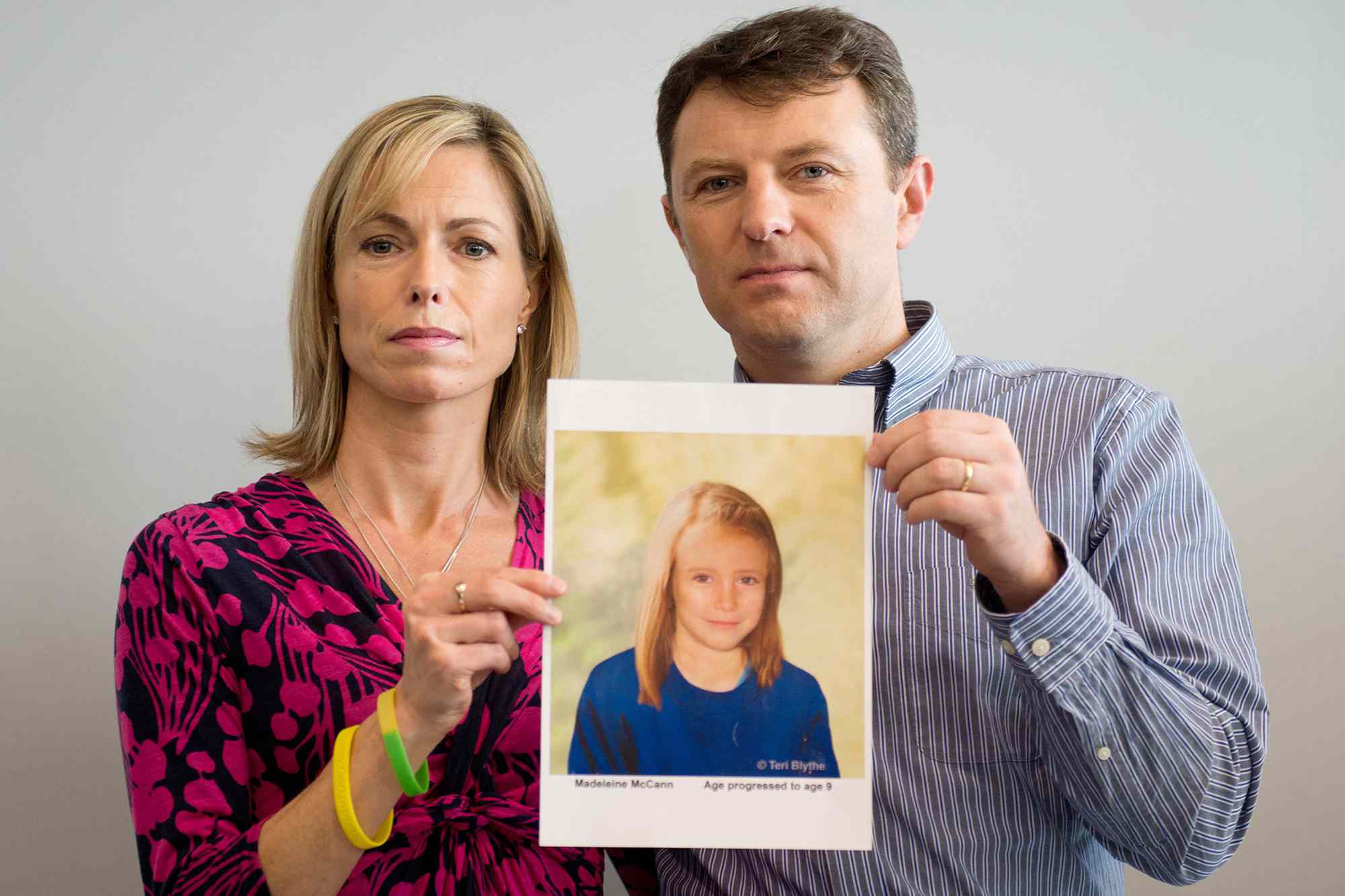
Christian Brueckner’s name became globally recognized when German authorities publicly identified him as a suspect in the disappearance of Madeleine McCann. Madeleine vanished in 2007 while on holiday with her family in Portugal, and the case has remained unsolved for years.
Authorities have stated that Brueckner was in the region at the time of Madeleine’s disappearance. This geographical overlap, combined with other evidence not fully disclosed to the public, led investigators to focus on him. Officials have repeatedly emphasized that the investigation is ongoing.
Despite widespread media coverage, Brueckner has not been formally charged in connection with Madeleine McCann’s disappearance. This distinction is critical and often lost in public discussion. The presumption of innocence remains a fundamental principle of law.
Evidence and Investigative Approach
German prosecutors have indicated that their interest in Christian Brueckner is based on a collection of circumstantial evidence. This reportedly includes phone records, vehicle ownership, and witness statements that place him near relevant locations.
However, much of the evidence remains confidential. Law enforcement agencies often withhold sensitive details to protect the integrity of an ongoing investigation. This has led to frustration among the public but is standard practice in complex cases.
From an investigative standpoint, authorities aim to build a case that can withstand judicial scrutiny. That requires more than suspicion or coincidence. It requires evidence that meets strict legal standards, especially in cases with international implications.
Media Coverage and Public Perception
Media attention surrounding Christian Brueckner has been intense. Headlines often blur the line between suspect and perpetrator, which can influence public opinion. Sensational reporting tends to focus on dramatic elements rather than legal nuance.
This kind of coverage has consequences. It can shape narratives before facts are fully established and may impact the fairness of potential legal proceedings. Responsible journalism requires careful language, especially when dealing with unresolved cases.
Public fascination with true crime stories has only amplified this effect. Brueckner’s name has become part of a larger conversation about how media, law enforcement, and the public interact in high-profile investigations.
Legal Rights and Presumption of Innocence
One of the most important aspects of discussing Christian Brueckner is respecting legal principles. In democratic legal systems, every individual is presumed innocent until proven guilty in a court of law. This applies regardless of public opinion or media narratives.
Brueckner has exercised his legal rights, including remaining silent on certain matters. While this often fuels speculation, legal experts emphasize that silence should not be interpreted as an admission of guilt.
Understanding these rights helps ground discussions in fairness and legality. It also reminds the public that justice relies on evidence, not assumptions or emotional reactions.
International Cooperation in Criminal Investigations
The investigation involving Christian Brueckner highlights the importance of international cooperation. German, Portuguese, and British authorities have worked together, sharing information and resources across borders.
Such collaboration is complex and time-consuming. Different legal systems, languages, and procedures must align for progress to be made. Despite these challenges, international cooperation has become a cornerstone of modern criminal investigations.
This case demonstrates how cross-border crime requires equally cross-border solutions. It also shows how long investigations can take when multiple jurisdictions are involved.
Psychological and Behavioral Analysis
Criminal psychologists often analyze suspects like Christian Brueckner to understand behavioral patterns. His isolated lifestyle, frequent travel, and prior offenses are commonly examined factors in such analyses.
However, experts caution against overreliance on profiling. While behavioral patterns can provide insight, they are not definitive proof of guilt. Profiling is a tool, not a verdict.
Responsible analysis balances psychological insight with factual evidence. This approach helps avoid harmful assumptions while still allowing investigators to explore plausible leads.
Impact on Victims and Families
While much attention focuses on suspects, it is vital not to lose sight of victims and their families. High-profile cases often reopen wounds for those affected, especially when new information emerges years later.
The ongoing attention surrounding Christian Brueckner inevitably affects families seeking closure. For them, every development carries emotional weight, regardless of legal outcomes.
Acknowledging this human impact adds depth and responsibility to discussions about the case. It shifts the focus from speculation to empathy and understanding.
Public Fascination With Unsolved Cases
The interest in Christian Brueckner is part of a broader cultural fascination with unsolved mysteries. People are drawn to stories that lack clear answers, often hoping for resolution or justice.
This fascination can be constructive when it keeps cases in the public eye. At the same time, it can lead to misinformation and unfair judgment if not handled carefully.
Understanding why such cases capture attention helps explain the intensity surrounding Brueckner’s name and the ongoing interest in his story.
Current Status and Ongoing Developments
As of now, Christian Brueckner remains incarcerated for unrelated convictions. Investigations connected to his name continue, but no final legal conclusions have been reached regarding certain high-profile cases.
Authorities periodically review evidence and follow new leads as they emerge. This process can take years, especially when dealing with older cases and complex timelines.
The situation remains fluid, underscoring the importance of patience and reliance on verified information rather than speculation.
Ethical Considerations in Discussing the Case
Writing and talking about Christian Brueckner carries ethical responsibilities. It requires accuracy, restraint, and respect for legal processes and human dignity.
Experts often stress the harm caused by misinformation, especially in cases involving real people and unresolved outcomes. Ethical discussion prioritizes facts over rumors.
By maintaining a balanced approach, discussions can inform without inflaming or misleading public opinion.
Lessons From the Investigation
The case surrounding Christian Brueckner offers broader lessons about criminal justice, media influence, and international cooperation. It highlights the challenges investigators face when evidence is limited and time has passed.
It also shows how public pressure can both help and hinder investigations. Awareness can generate tips, but it can also create unrealistic expectations.
These lessons are valuable beyond any single case, offering insight into how modern justice systems operate under scrutiny.
Final Thoughts on Christian Brueckner
Christian Brueckner is a complex and controversial figure, not because of public imagination, but because of his documented criminal history and his connection to ongoing investigations. At the same time, legal boundaries must guide any conclusions drawn about his involvement in unresolved cases.
This article has aimed to provide a comprehensive, responsible overview without crossing into speculation. By focusing on context, verified facts, and legal principles, it encourages informed understanding rather than emotional judgment.
Ultimately, the story of Christian Brueckner is still unfolding. Until courts reach definitive conclusions, the most responsible stance remains one of caution, clarity, and respect for the truth.