
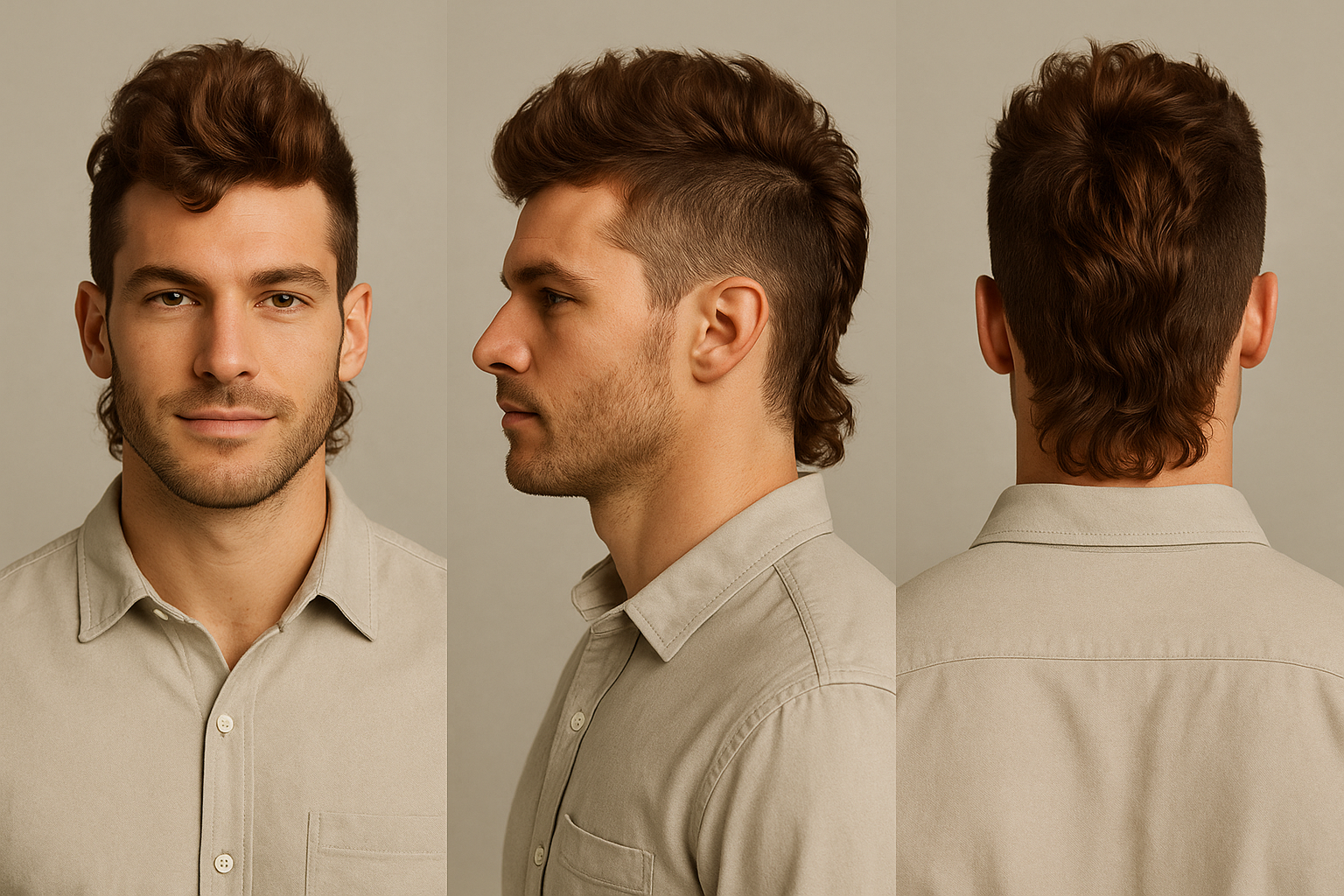
The mohawk haircut is not just a hairstyle. It is an attitude, a statement, and a reflection of confidence. Over the years, the mohawk has moved from underground subcultures to mainstream fashion, showing up on runways, sports fields, music stages, and everyday streets. What once shocked people now inspires creativity and self-expression.
In this in-depth guide, we will explore everything about the mohawk haircut. From its roots and evolution to modern styles, maintenance tips, and who it suits best, this article covers it all. Written casually but backed by expert knowledge, this guide will help you understand why the mohawk haircut remains one of the most iconic hairstyles of all time.
What Is a Mohawk Haircut?
The mohawk haircut is defined by a strip of longer hair running from the front of the head to the back, with the sides either shaved or cut very short. This contrast creates a bold visual effect that instantly draws attention. While the classic mohawk is dramatic, modern variations allow for subtle and stylish interpretations.
Traditionally, the mohawk was sharp and extreme. The sides were completely shaved, and the center strip was often styled straight up using strong hair products. Over time, barbers and stylists have softened the look, making it wearable for different lifestyles and professions.
Today, the mohawk haircut can be loud or low-key. You can customize the length, width, fade style, and texture. This flexibility is one of the main reasons why the mohawk has survived decades of changing fashion trends.
The History of the Mohawk Haircut
The mohawk haircut has deep historical roots that many people overlook. Contrary to popular belief, it did not originate with modern punk culture. Variations of this hairstyle existed centuries ago among different tribes and warrior groups.
The name “Mohawk” is commonly linked to the Mohawk Nation, part of the Haudenosaunee Confederacy. However, historical evidence suggests that not all Mohawk people wore this hairstyle. Still, the name stuck in popular culture, and the hairstyle became associated with strength and rebellion.
In the 1970s and 1980s, the mohawk haircut exploded in popularity through punk rock culture. Bands, musicians, and fans adopted the style as a symbol of resistance and individuality. From there, it slowly made its way into mainstream fashion, sports, and entertainment.
Why the Mohawk Haircut Is Still Popular Today
One reason the mohawk haircut remains popular is its adaptability. Unlike many trend-based hairstyles, the mohawk evolves with time. You can adjust it to fit your personality, face shape, and lifestyle.
Another reason is confidence. A mohawk haircut instantly changes how a person carries themselves. It sends a message that you are bold, fearless, and comfortable standing out. Even toned-down versions still carry that edge.
Social media has also played a huge role. Celebrities, athletes, and influencers regularly showcase modern mohawk styles, inspiring people worldwide to try their own version. The mohawk haircut is no longer limited to one group or identity.
Classic Mohawk Haircut Explained
The classic mohawk haircut is the most recognizable version of this style. It features shaved sides and a narrow strip of longer hair in the center. This strip often stands straight up and can be styled with gel or wax.
This version demands attention and confidence. It is not subtle and is best suited for people who enjoy bold fashion choices. The classic mohawk is often seen at concerts, festivals, and alternative fashion events.
Maintaining a classic mohawk requires regular trimming and styling. The sides must stay clean, and the center strip needs shaping. While it takes effort, the result is a powerful and iconic look.
Modern Mohawk Haircut Variations
Modern mohawk haircuts have softened the original design while keeping its spirit alive. These versions are more versatile and suitable for everyday wear. Barbers often blend fades into the sides instead of fully shaving them.
One popular modern variation is the faux hawk. This style keeps the center hair longer but avoids shaving the sides completely. It offers a mohawk-inspired look without going extreme, making it popular in offices and schools.
Another modern option is the textured mohawk. Instead of stiff spikes, the hair is layered and styled naturally. This creates movement and a relaxed vibe while still maintaining the mohawk shape.
Mohawk Haircut for Men
The mohawk haircut for men has become increasingly popular across all age groups. From young trendsetters to mature professionals, men are embracing this style in different ways.
For men with thick hair, the mohawk offers volume and structure. It highlights the natural density of the hair and allows for creative styling. Men with thinner hair can also benefit by using shorter sides and textured tops to create the illusion of fullness.
Men often pair mohawk haircuts with beards for a balanced look. The sharp contrast between the haircut and facial hair adds depth and masculinity, making the overall style look intentional and refined.
Mohawk Haircut for Women
Women have fully embraced the mohawk haircut, redefining it with elegance and confidence. Female mohawks range from edgy shaved styles to soft, curly interpretations that highlight individuality.
Some women choose a full mohawk with shaved sides, while others prefer undercut mohawks that can be hidden when needed. This flexibility allows women to experiment without committing fully.
The mohawk haircut empowers women to break traditional beauty norms. It emphasizes facial features and creates a strong, confident appearance that challenges stereotypes.
Mohawk Haircut for Kids and Teens
The mohawk haircut is also popular among kids and teens, especially in playful or temporary forms. Parents often choose softer versions that are fun but age-appropriate.
For kids, mohawks are usually shorter and less dramatic. They are easy to maintain and allow children to express personality without extreme styling. Temporary styling products make it easy to change looks.
Teenagers often use the mohawk haircut as a form of self-expression. Whether subtle or bold, it helps them explore identity while staying on trend.
Different Types of Mohawk Haircuts
There are many types of mohawk haircuts, each offering a unique vibe. The faded mohawk blends the sides gradually into the center, creating a smooth and stylish look.
The burst fade mohawk curves around the ears, adding a modern twist. This style is especially popular among younger men and athletes due to its clean and dynamic appearance.
Curly mohawks embrace natural texture. Instead of straight spikes, curls add volume and personality. This style works especially well for people with naturally curly or coily hair.
Mohawk Haircut Based on Hair Texture
Hair texture plays a major role in how a mohawk haircut looks and feels. Straight hair creates sharp lines and defined shapes, perfect for classic or modern spikes.
Wavy hair adds softness and movement to a mohawk. It creates a relaxed look that still feels edgy. Styling creams work well for controlling waves without making them stiff.
Curly and coily hair transform the mohawk into a bold and artistic style. Natural volume enhances the center strip, making the mohawk look fuller and more expressive.
Face Shapes and the Mohawk Haircut
The mohawk haircut can suit many face shapes when styled correctly. For round faces, a taller mohawk helps elongate the appearance and adds definition.
Square faces benefit from textured or curved mohawks that soften strong jawlines. This creates balance without losing the bold look.
For oval faces, almost any mohawk style works well. This face shape offers flexibility, allowing experimentation with width, length, and fade styles.
How to Ask Your Barber for a Mohawk Haircut
Clear communication is key when getting a mohawk haircut. Start by explaining how bold you want the look to be. Mention whether you want shaved sides, fades, or tapered edges.
Showing reference photos helps a lot. Barbers can better understand your vision when they see examples of what you like. This reduces misunderstandings and improves results.
Also discuss maintenance. Some mohawk styles require frequent trims, while others grow out more naturally. Your barber can recommend a style that fits your routine.
Styling a Mohawk Haircut at Home
Styling a mohawk haircut at home depends on the look you want. For spiked styles, strong-hold gels or pomades work best. Apply product evenly and shape with fingers or a comb.
For textured mohawks, lightweight creams or waxes are ideal. These products add definition without stiffness. Blow-drying can help add volume and shape.
Natural mohawks benefit from minimal styling. Letting the hair fall naturally creates a relaxed and effortless appearance that still maintains the mohawk structure.
Maintaining a Mohawk Haircut
Maintenance is essential to keep a mohawk haircut looking sharp. Regular trims keep the sides clean and the center strip well-defined.
Washing and conditioning are important, especially if you use styling products frequently. Clean hair styles better and stays healthier over time.
Using quality products helps protect hair from damage. Avoid overusing harsh gels that can dry out hair and scalp.
Mohawk Haircut in Pop Culture
The mohawk haircut has left a strong mark on pop culture. Musicians, actors, and athletes have all embraced this style at different times.
In music, punk and rock artists used mohawks to symbolize rebellion. Over time, hip-hop and pop artists adopted modern versions, making them mainstream.
Athletes often choose mohawks for their bold and aggressive look. The hairstyle reflects confidence, strength, and individuality on and off the field.
Mohawk Haircut vs Faux Hawk
The mohawk haircut and faux hawk are often confused, but they are different. A true mohawk involves shaved or very short sides, while a faux hawk keeps more hair on the sides.
The faux hawk is easier to maintain and more socially accepted in conservative environments. It offers flexibility without fully committing to a mohawk.
Both styles share the same inspiration, but the mohawk haircut remains the more daring and expressive choice.
Is the Mohawk Haircut Right for You?
Choosing a mohawk haircut depends on your personality, lifestyle, and confidence. If you enjoy standing out and expressing yourself, this style may suit you perfectly.
Consider your daily routine and work environment. Subtle mohawks work well in professional settings, while bold versions fit creative spaces.
Ultimately, the mohawk haircut is about self-expression. If it feels right to you, that confidence will make the style work.
Pros and Cons of the Mohawk Haircut
One major advantage of the mohawk haircut is individuality. Few styles make a statement as strongly and clearly.
Another benefit is versatility. With modern variations, you can adjust the style to suit different occasions and moods.
On the downside, some mohawk styles require frequent maintenance. Social acceptance may also vary depending on environment, so thoughtful styling is important.
Mohawk Haircut Trends to Watch
Current mohawk trends focus on fades, texture, and natural movement. Clean lines combined with soft finishes create modern appeal.
Color is also becoming popular. Subtle highlights or bold colors can enhance the mohawk and add personality.
As fashion continues to evolve, the mohawk haircut will adapt while staying true to its bold roots.
Final Thoughts on the Mohawk Haircut
The mohawk haircut is more than a hairstyle. It is a symbol of confidence, creativity, and individuality. From its historical roots to modern interpretations, it continues to inspire people across generations.
Whether you choose a classic spike, a faded modern version, or a soft textured style, the mohawk allows you to express who you are. With the right cut and care, it can suit almost anyone.
If you are ready to stand out and embrace something bold, the mohawk haircut might be exactly what you are looking for.