
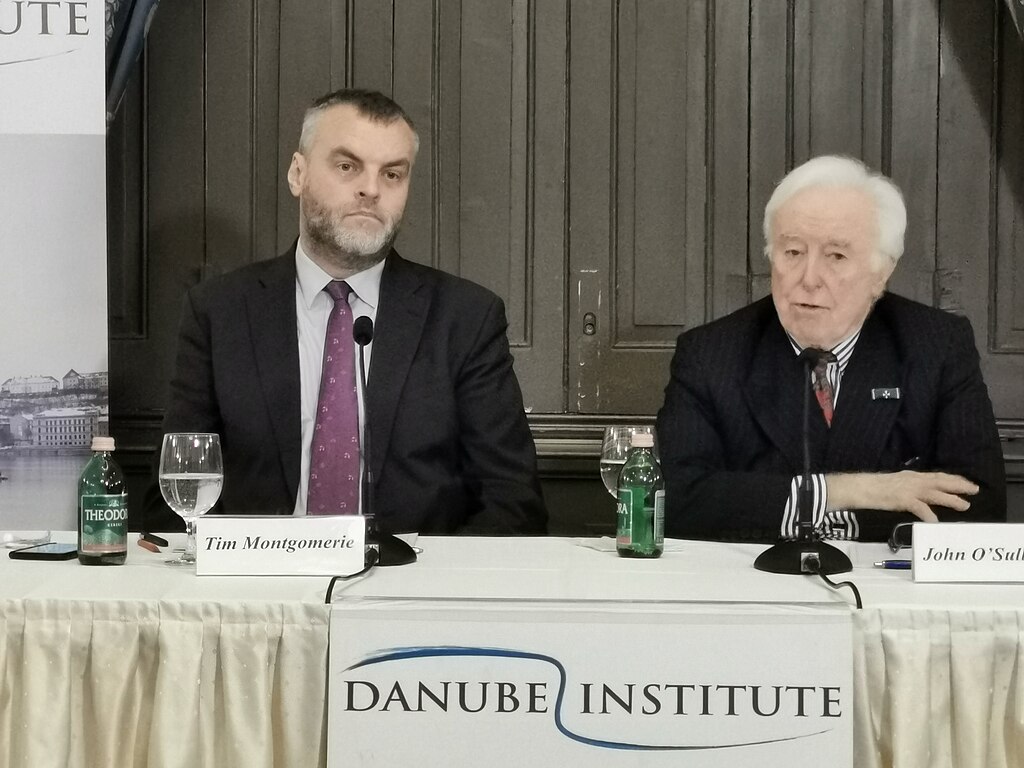
When people search for “Tim Montgomerie health problems,” they are usually looking for clarity. Public figures often become subjects of speculation, especially when they step back from public life, change career direction, or appear less frequently in media. In the case of Tim Montgomerie, curiosity has grown over the years as his political journey evolved from grassroots activism to media commentary and party leadership roles.
In this article, we’ll take a careful and responsible look at the topic. Rather than fueling rumors, we will focus on verified information, context, and how public life can affect physical and mental well-being. The goal is to provide an informed, balanced discussion written in a conversational yet expert tone.
Let’s begin by understanding who Tim Montgomerie is and why people are asking questions about his health in the first place.
Who Is Tim Montgomerie?
Tim Montgomerie is widely known in British political circles. He first rose to prominence as a co-founder of ConservativeHome, a highly influential grassroots Conservative blog that reshaped online political discourse in the United Kingdom. The platform gave party members and supporters a stronger voice and became a significant force in shaping Conservative Party conversations.
He later worked closely with David Cameron during Cameron’s rise to leadership of the Conservative Party. Montgomerie played a strategic role in the modernization effort that aimed to rebrand the party and broaden its appeal. His influence in those years made him one of the more recognizable behind-the-scenes figures in British politics.
After leaving his role at ConservativeHome, Montgomerie transitioned more fully into media commentary. He became associated with The Times and The Spectator, contributing analysis and opinion on political developments. This move kept him in the public eye, but in a slightly different capacity.
In 2018, he surprised many observers by joining Reform UK (then known as the Brexit Party). This marked a notable shift in his political alignment and prompted widespread discussion. Around such transitions, public curiosity often intensifies, and that sometimes extends to questions about personal well-being and health.
Why Are People Searching for “Tim Montgomerie Health Problems”?
It’s important to be direct: there is no widely confirmed public record of serious or ongoing health problems concerning Tim Montgomerie. Much of the online search interest appears to stem from speculation rather than documented medical disclosures.
When a public figure reduces media appearances, changes career direction, or becomes less visible, people naturally wonder why. In many cases, audiences assume health may be a factor, even when there is no evidence to support that idea. This pattern is not unique to Montgomerie; it happens to politicians, journalists, and celebrities across the spectrum.
Another factor is the intense stress associated with political life. Observers understand that high-pressure environments can take a toll on individuals. Because Montgomerie has worked in emotionally charged political arenas—especially during Brexit debates—some assume that health issues could be linked to professional strain.
However, without direct confirmation from the individual himself, it would be inappropriate and irresponsible to assert that he has specific medical conditions. Responsible reporting requires distinguishing between curiosity and fact.
The Pressure of Political Life and Its Impact on Health
Although there is no confirmed evidence of specific health problems, it is entirely fair to discuss the broader context: political work is demanding, both mentally and physically.
High-level political involvement often means long hours, irregular schedules, intense public scrutiny, and constant media engagement. tim montgomerie health problems Individuals like Tim Montgomerie who operate at the intersection of politics and journalism face a dual burden. They must analyze complex policy issues while also managing public perception and criticism.
Stress is not merely emotional; it has measurable physical consequences. Chronic stress can affect cardiovascular health, sleep quality, immune function, and mental resilience. Research consistently shows that individuals working in high-pressure public roles are at increased risk of burnout.
In the Brexit era especially, political discourse in the United Kingdom became sharply polarized. Commentators and strategists were frequently targeted online and offline. That type of environment can create ongoing stress that may impact overall well-being, even if it does not result in a specific diagnosed illness.
Mental Health in the Public Eye
In recent years, conversations around mental health have become more open. Public figures increasingly acknowledge anxiety, depression, and burnout. While Tim Montgomerie has not publicly detailed any personal mental health struggles, it is useful to understand the broader environment in which he has worked.
Political commentators often experience intense backlash. Social media has amplified criticism and sometimes hostility. The constant cycle of news, commentary, and reaction leaves little room for psychological rest.
Mental fatigue is a very real phenomenon. Decision-making quality can decline under prolonged stress, and emotional resilience may weaken. Many public figures step back temporarily—not due to a dramatic medical crisis—but simply to regain balance.
Importantly, stepping back or shifting roles should not automatically be interpreted as evidence of illness. It can instead reflect self-awareness and strategic recalibration. In professional environments as demanding as Westminster politics, maintaining mental health often requires conscious boundary setting.
Career Transitions and Public Speculation
Montgomerie’s move from ConservativeHome to media commentary, and later to Reform UK, represented significant ideological and professional shifts. Whenever a well-known figure changes direction, speculation follows.
Observers sometimes try to interpret career changes as signals of personal struggles. However, political realignment can just as easily stem from evolving beliefs, strategic thinking, or dissatisfaction with party direction.
In Montgomerie’s case, his departure from the Conservative mainstream and alignment with Reform UK appeared to be ideological. The shift occurred amid intense debate over Brexit strategy and Conservative leadership decisions. There has been no official statement connecting that move to health reasons.
Speculation often fills informational gaps. When a public figure does not share personal details, audiences sometimes assume something must be “wrong.” In reality, privacy is simply a right, even for those in public life.
Media Responsibility and Health Rumors
It is worth discussing how health rumors spread. Online search trends can sometimes give the impression that a public figure is facing major health challenges even when no such information exists.
Search engines reflect curiosity, not confirmed fact. If enough people type “Tim Montgomerie health problems,” it creates the illusion that a story exists—even if it does not.
Responsible journalism requires careful verification before reporting on someone’s medical condition. Publishing unverified claims can cause unnecessary distress, reputational harm, and ethical violations.
As of now, there are no credible, widely reported medical disclosures indicating that Tim Montgomerie suffers from serious health conditions. Therefore, any suggestion otherwise would fall into speculation.
The Importance of Privacy
Public figures live in a paradox. They influence public debate, shape policy, and appear in media—but they are still private individuals. Health information is deeply personal.
Even when politicians choose to share certain aspects of their medical history, they often do so selectively. Transparency about health can be politically strategic, but it can also expose individuals to intrusive commentary.
Montgomerie has maintained a relatively private personal profile compared to some other political figures. That privacy may be one reason why rumors occasionally surface. A lack of detail is sometimes misinterpreted as concealment.
However, absence of disclosure does not equal presence of illness. Respecting privacy is not just courteous; it is ethical.
Stress, Burnout, and Long-Term Political Engagement
Even without confirmed medical problems, it is fair to say that decades of political engagement can affect overall well-being.
Burnout is particularly common among individuals deeply invested in high-stakes ideological battles. The Brexit years were especially intense, marked by division within parties and across the electorate.
Commentators such as Tim Montgomerie operated at the center of that turbulence. Navigating shifting alliances, internal party tensions, and public scrutiny is not easy. The psychological demands alone are significant.
Burnout does not necessarily require medical treatment. Sometimes it simply leads to recalibration—taking on different roles, reducing exposure, or redirecting energy into more sustainable pursuits.
Public Curiosity vs. Verified Information
At this point, it is crucial to separate fact from assumption. tim montgomerie health problems There is no verified, publicly documented evidence of serious or chronic health problems concerning Tim Montgomerie.
Search interest may reflect:
- Curiosity about his reduced visibility in certain periods
- Speculation linked to career changes
- General awareness of stress in political life
But none of these equate to confirmed health issues.
As responsible readers and researchers, we must rely on credible sources and direct statements rather than inference.
Conclusion: Final Thoughts on Tim Montgomerie Health Problems
To summarize, discussions about “Tim Montgomerie health problems” largely appear to be speculative. There are no widely confirmed reports of serious illness or chronic medical conditions associated with him.
What we can say with confidence is that he has operated in one of the most demanding professional environments in modern Britain—politics during a period of intense national transformation. Such environments naturally invite questions about stress and well-being.
However, without official confirmation, it would be inaccurate to suggest specific medical challenges. The more balanced perspective is this: public life is demanding, privacy is essential, and speculation should never replace verified information.
Tim Montgomerie remains an influential commentator and political thinker. Until he chooses to share personal health information—if ever—the responsible position is to acknowledge that no confirmed health problems have been publicly documented.