
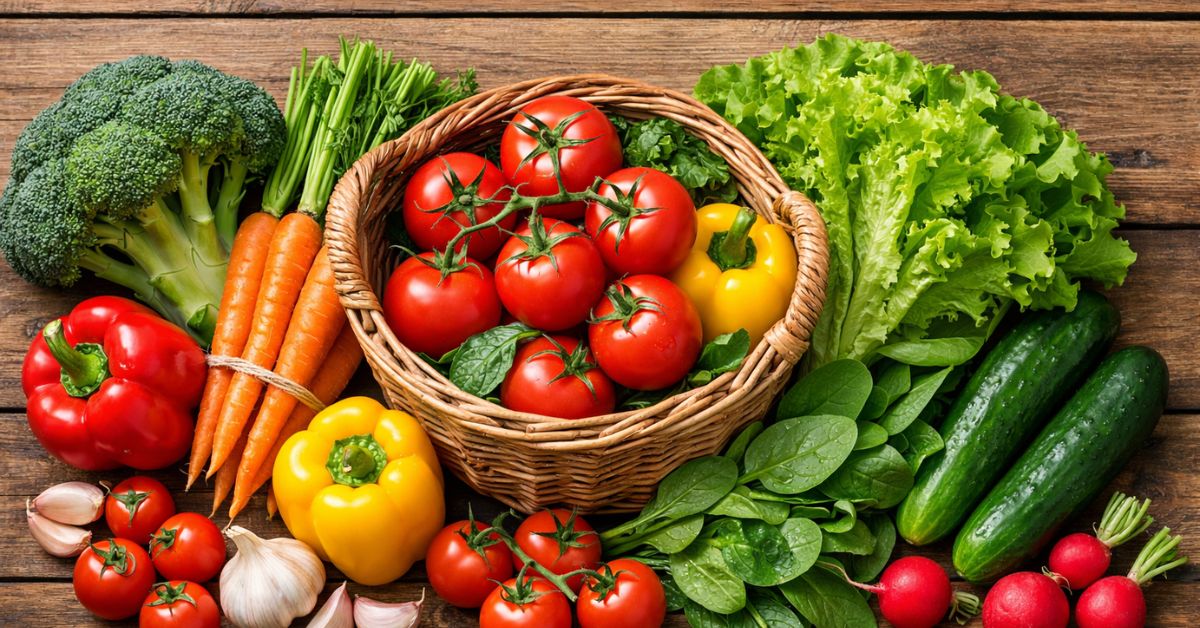
Vegetarian diets have become increasingly popular across the world. Many people are choosing plant-based foods not only for health reasons but also for environmental and ethical considerations. A well-balanced vegetarian diet can provide all the nutrients the body needs when it includes a wide variety of foods.
Understanding a proper veg food list helps people plan their meals more effectively. When individuals know which foods belong to different vegetarian categories, they can easily create balanced and nutritious meals. From vegetables and fruits to legumes and dairy products, the vegetarian food world is rich and diverse.
Another reason a veg food list is helpful is that it introduces people to foods they might not normally include in their diet. Many individuals stick to a small number of familiar vegetables and grains, but there are hundreds of plant-based foods that offer excellent nutritional benefits.
In this article, we will explore a complete veg food list, breaking it down into several important categories. Each category plays a vital role in supporting overall health and providing essential nutrients.
Leafy Green Vegetables
Leafy green vegetables are often considered the foundation of a healthy vegetarian diet. They are rich in vitamins, minerals, antioxidants, and dietary fiber. These vegetables are typically low in calories but extremely high in nutrients, making them ideal for people who want to maintain good health while managing their weight.
Some of the most common leafy greens include spinach, kale, lettuce, cabbage, Swiss chard, mustard greens, and collard greens. These vegetables are packed with nutrients such as vitamin A, vitamin C, vitamin K, calcium, and iron. Regular consumption of leafy greens can support bone health, boost the immune system, and improve digestion.
Leafy vegetables are also very versatile in the kitchen. They can be eaten raw in salads, blended into smoothies, cooked in soups, sautéed with garlic, or added to curries and stews. Because of their mild flavor, they pair well with many other ingredients and can easily become a part of everyday meals.
Including leafy greens in your diet can also support heart health. Many studies suggest that diets rich in green vegetables are associated with lower blood pressure and reduced risk of cardiovascular diseases. This makes them an essential part of any comprehensive veg food list. vegg list
Root Vegetables
Root vegetables are another important category in a veg food list. These vegetables grow underground and are known for their rich flavor, natural sweetness, and high nutrient content. They are also an excellent source of carbohydrates, making them a great energy source for the body.
Some common root vegetables include carrots, potatoes, sweet potatoes, radishes, turnips, beets, and parsnips. These vegetables provide essential nutrients such as vitamin C, potassium, magnesium, and dietary fiber. Carrots, for example, are rich in beta-carotene, which the body converts into vitamin A.
Root vegetables are incredibly versatile and can be prepared in many ways. They can be roasted, boiled, mashed, baked, or added to soups and stews. Sweet potatoes are especially popular in vegetarian diets because they are filling, nutritious, and naturally sweet.
Another advantage of root vegetables is their long shelf life. Many of them can be stored for weeks or even months without losing their nutritional value. This makes them a convenient and reliable food option for households that want to maintain a steady supply of healthy vegetables.
Cruciferous Vegetables
Cruciferous vegetables are widely recognized for their powerful health benefits. They belong to a group of vegetables that include broccoli, cauliflower, Brussels sprouts, cabbage, and bok choy. These vegetables are known for their unique compounds that may help protect the body against certain diseases.
One of the most notable benefits of cruciferous vegetables is their high antioxidant content. These vegetables contain compounds such as sulforaphane and glucosinolates, which may help reduce inflammation and support the body’s natural detoxification processes.
Cruciferous vegetables are also excellent sources of vitamins C, K, and folate. Vitamin C helps strengthen the immune system, vegg list while vitamin K plays a crucial role in blood clotting and bone health. Because of their nutritional density, these vegetables are often recommended by nutrition experts.
In addition to their health benefits, cruciferous vegetables are also very versatile in cooking. They can be steamed, roasted, stir-fried, or eaten raw. Their slightly bitter flavor becomes mild and pleasant when cooked properly, making them a valuable addition to a balanced vegetarian meal plan.
Legumes and Beans
Legumes and beans are essential components of any veg food list because they serve as one of the primary plant-based protein sources. For vegetarians, these foods help replace the protein typically obtained from meat.
Common legumes include lentils, chickpeas, black beans, kidney beans, soybeans, and peas. These foods are rich in protein, fiber, iron, and complex carbohydrates. Because of their high fiber content, legumes also help improve digestion and maintain stable blood sugar levels.
One of the most appealing aspects of legumes is their affordability and accessibility. They are widely available in dried or canned forms and can be used in countless recipes. From soups and curries to salads and burgers, legumes can be incorporated into many types of dishes.
Regular consumption of beans and lentils has also been linked to improved heart health. Their fiber content helps reduce cholesterol levels, while their plant-based protein supports muscle maintenance and overall body function.
Whole Grains
Whole grains play a major role in a balanced vegetarian diet. Unlike refined grains, whole grains contain all parts of the grain kernel, including the bran, germ, and endosperm. This means they retain more fiber, vitamins, and minerals.
Examples of whole grains include brown rice, quinoa, oats, barley, whole wheat, millet, and bulgur. These grains provide essential nutrients such as B vitamins, magnesium, iron, and fiber. They are also a great source of long-lasting energy because they digest slowly.
Whole grains are incredibly versatile and can be used in many different meals. Oats are commonly eaten for breakfast, quinoa can be added to salads, and brown rice is often served with vegetable dishes and curries. Their mild flavor makes them easy to pair with a variety of foods.
Another benefit of whole grains is their ability to support digestive health. The fiber found in these grains helps maintain a healthy digestive system and promotes regular bowel movements. Including whole grains in your veg food list ensures that your diet remains balanced and nutritious.
Fruits in a Vegetarian Diet
Although fruits are technically different from vegetables, they play an equally important role in a vegetarian diet. Fruits provide natural sweetness, hydration, and a wide range of vitamins and antioxidants.
Common fruits in a vegetarian food list include apples, bananas, oranges, berries, mangoes, grapes, pineapples, and papayas. Each fruit contains its own unique set of nutrients. For example, citrus fruits are rich in vitamin C, while bananas provide potassium.
Fruits can be consumed in many ways. They can be eaten fresh, blended into smoothies, added to yogurt, or used in desserts and salads. Because of their natural sweetness, fruits can also help reduce cravings for processed sugary foods.
Including a variety of fruits in the diet ensures that the body receives different vitamins and antioxidants. These nutrients help protect cells from damage, support immune function, and promote overall health.
Dairy and Plant-Based Alternatives
Many vegetarians include dairy products as part of their diet. Dairy foods such as milk, cheese, yogurt, and butter provide important nutrients like calcium, protein, and vitamin B12.
Milk and yogurt are especially beneficial for bone health due to their calcium content. Yogurt also contains probiotics, which support gut health and improve digestion. Cheese can be used in moderation to add flavor and protein to various meals.
However, some vegetarians prefer plant-based alternatives instead of traditional dairy. Popular alternatives include almond milk, soy milk, coconut milk, oat milk, and cashew-based products. These options are especially useful for individuals who are lactose intolerant.
Plant-based dairy alternatives are often fortified with essential nutrients such as calcium and vitamin D. This makes them a suitable replacement for traditional dairy products while maintaining nutritional balance.
Nuts and Seeds
Nuts and seeds are small but incredibly powerful components of a veg food list. They are packed with healthy fats, protein, fiber, vitamins, and minerals. Despite their small size, they provide a significant amount of energy and nutrition.
Common nuts include almonds, vegg list walnuts, cashews, pistachios, and peanuts. Seeds such as chia seeds, flaxseeds, sunflower seeds, pumpkin seeds, and sesame seeds are also highly nutritious.
These foods are particularly rich in healthy fats, including omega-3 fatty acids. Omega-3 fats support brain health, reduce inflammation, and contribute to heart health. Nuts and seeds are also a good source of plant-based protein.
They can be enjoyed in many ways, such as in snacks, smoothies, salads, or breakfast bowls. Nut butters like peanut butter and almond butter are also popular choices that provide both flavor and nutrition.
Conclusion
A well-structured veg food list includes a wide variety of plant-based foods that work together to provide balanced nutrition. From leafy greens and root vegetables to legumes, whole grains, fruits, and nuts, each category contributes unique nutrients that support overall health. vegg list
Following a vegetarian diet does not mean limiting food choices. In fact, it opens the door to an incredible variety of flavors, textures, and ingredients. When people explore different vegetables, grains, and plant-based proteins, they often discover new and exciting meals.
The key to a healthy vegetarian lifestyle is variety and balance. Including foods from every category ensures that the body receives essential nutrients such as protein, fiber, vitamins, and minerals.
By understanding and following a comprehensive veg food list, anyone can create delicious, satisfying, and nutritious meals while enjoying the many benefits of a plant-based lifestyle.