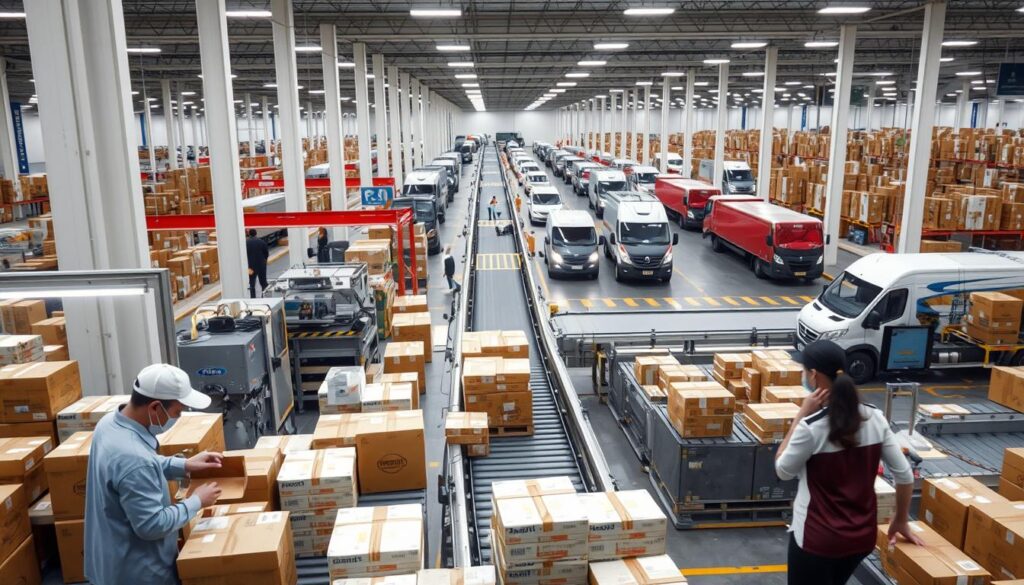

Accelerated transit meaning refers to transportation systems that are designed to move people or goods faster than regular travel methods. In simple words, it means using special systems like fast trains, express buses, or dedicated lanes to reduce travel time. These systems are built to avoid traffic, make fewer stops, and improve overall speed.
In today’s busy world, time is very important. Therefore, accelerated transit meaningv accelerated transit plays a key role in helping people reach their destinations quickly. For example, many big cities use metro trains or bus rapid transit systems to reduce delays. As a result, daily commuting becomes easier and less stressful.
Moreover, accelerated transit is not only about speed but also about efficiency. It helps reduce traffic congestion and pollution. Because of this, governments and planners are focusing more on these systems to improve urban life. Now, let’s explore this concept in more detail.
What is Accelerated Transit Meaning in Simple Terms?
Accelerated transit meaning can be explained as a faster way of traveling compared to normal transportation. In other words, it focuses on reducing travel time by improving routes, vehicles, and systems. For instance, express trains skip smaller stations, which helps passengers reach their destination quickly.
Additionally, these systems are designed with smart planning. accelerated transit meaning For example, special tracks or lanes are often used to avoid traffic jams. As a result, vehicles can move smoothly without interruptions. This makes travel more reliable and predictable.
Furthermore, accelerated transit is helpful for both individuals and cities. While people save time, cities benefit from better traffic flow. Therefore, it becomes a win-win solution for everyone involved.
Why Accelerated Transit is Important
Firstly, accelerated transit saves time. Since people accelerated transit meaning can travel faster, they can spend more time on work, family, or rest. For example, a metro train can cover long distances in less time compared to cars stuck in traffic.
Secondly, it helps reduce traffic congestion. When more people use fast public transport, fewer cars are on the road. As a result, roads become less crowded, and travel becomes smoother for everyone.
Lastly, accelerated transit supports environmental protection. Because it reduces the number of vehicles on the road, air pollution decreases. Therefore, cities become cleaner and healthier places to live.
Types of Accelerated Transit Systems
Metro systems are one of the most common examples of accelerated transit meaning accelerated transit. These trains run on dedicated tracks, often underground or elevated. As a result, they are not affected by road traffic.
Moreover, metro trains make fewer stops compared to buses. Therefore, they can travel faster across long distances. In addition, they can carry a large number of passengers at once.
Because of these benefits, metro systems are widely used in major cities. They provide a fast, safe, and reliable way to travel daily.
Bus Rapid Transit (BRT)
Bus Rapid Transit, or BRT, is another form of accelerated transit. accelerated transit meaning These buses run on special lanes that are separate from regular traffic. As a result, they can move quickly even during busy hours.
Additionally, BRT systems often have fewer stops and faster accelerated transit meaning boarding methods. Therefore, passengers can save time compared to normal bus services. This makes BRT a cost-effective solution for many cities.
Furthermore, BRT systems are easier to build than metro systems. Because of this, many developing cities prefer this option to improve transportation.
High-Speed Rail
High-speed trains are designed to travel at very high speeds. accelerated transit meaning For example, they can connect cities that are far apart in a short time. As a result, they are a popular choice for long-distance travel.
Moreover, these trains use advanced technology to ensure safety and comfort. Therefore, passengers can enjoy a smooth and fast journey. In addition, high-speed rail reduces the need for air travel on short routes.
Because of these advantages, high-speed rail is becoming more common worldwide. It is a key part of modern accelerated transit systems.
Benefits of Accelerated Transit
One major benefit is time efficiency. Since travel becomes faster, accelerated transit meaning people can manage their daily schedules better. For example, workers can reach offices on time without stress.
Another benefit is cost savings. Although building these systems can be expensive, they reduce fuel use and vehicle maintenance in the long run. Therefore, both individuals and governments save money over time.
In addition, accelerated transit improves quality of life. Because travel becomes easier, people feel less tired and more productive. As a result, overall happiness and well-being increase.
Challenges of Accelerated Transit
However, accelerated transit also faces some challenges. Firstly, the cost of building these systems can be very high. For example, metro and high-speed rail projects require large investments.
Secondly, proper planning is needed. Without good design, these systems may not work efficiently. Therefore, careful study and expert knowledge are important.
Lastly, maintenance is essential. Since these systems are advanced, they require regular upkeep. As a result, governments must ensure proper funding and management.
How Accelerated Transit Improves Cities
Accelerated transit plays a big role in city development. Firstly, it connects different areas quickly. As a result, people can live farther from work without worrying about travel time.
Secondly, it supports economic growth. Because businesses can operate more efficiently, job opportunities increase. Therefore, cities become more attractive for investment.
Moreover, it encourages sustainable living. Since public transport is used more, pollution decreases. As a result, cities become cleaner and more environmentally friendly.
Future of Accelerated Transit
The future of accelerated transit looks very promising. With new technology, systems are becoming faster and smarter. For example, automated trains and smart traffic systems are being developed.
Additionally, governments are investing more in public transport. Therefore, we can expect better and more advanced systems in the coming years. This will further improve travel experiences.
Furthermore, innovation continues to grow. As a result, new ideas like hyperloop and electric transit systems may become common. These developments will take accelerated transit to the next level.
Conclusion
In conclusion, accelerated transit meaning refers to faster and more efficient transportation systems that help people travel quickly and easily. These systems are important because they save time, reduce traffic, and improve the environment.
Moreover, different types of accelerated transit, such as metro systems, BRT, and high-speed rail, offer unique benefits. Therefore, cities can choose the best option based on their needs.
Finally, as technology continues to improve, accelerated transit will become even more important. Because of this, it will play a key role in shaping the future of modern transportation.