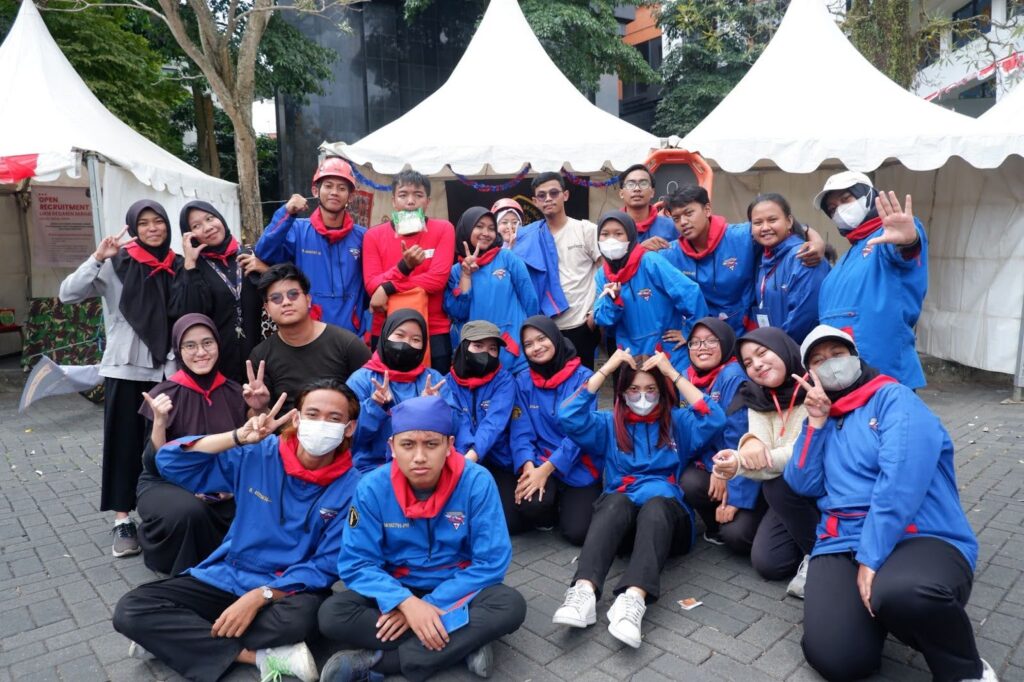

The term “Korps Sukarela” carries a powerful meaning rooted in service, dedication, and collective responsibility. Derived from Indonesian language elements, “korps” refers to a corps or organized group, while “sukarela” translates to voluntary. Together, the phrase represents a voluntary corps—individuals who willingly contribute their time, skills, and energy for the betterment of society. It is more than just a label; it is a philosophy centered on compassion and civic duty.
In many parts of Southeast Asia, particularly Indonesia and Malaysia, Korps Sukarela is closely associated with volunteer groups that operate in sectors like healthcare, disaster management, and social welfare. These groups often work under the umbrella of humanitarian organizations, stepping in where institutional resources may fall short. Their contributions are especially visible during emergencies, when rapid response and grassroots coordination are essential.
What makes Korps Sukarela unique is its emphasis on selflessness. Unlike formal institutions driven by salaries or structured obligations, members of these corps act out of personal motivation. This intrinsic drive fosters a sense of unity and shared purpose, which often translates into highly effective teamwork. It also helps build trust within communities, as people recognize that these volunteers are serving without personal gain.
In today’s increasingly complex world, where challenges such as climate change, public health crises, and social inequality continue to rise, the concept of Korps Sukarela remains highly relevant. It demonstrates how ordinary individuals can come together to create extraordinary impact, reinforcing the idea that collective action is a cornerstone of resilient societies.
Historical Background and Evolution
The origins of Korps Sukarela can be traced back to early community-based traditions in Southeast Asia. Long before formal organizations existed, villages relied on mutual cooperation systems—often referred to as “gotong royong” in Indonesia—where community members voluntarily assisted one another during harvests, construction, and emergencies. These traditions laid the groundwork for modern volunteer corps.
As societies became more structured, the need for organized volunteer groups grew. During the colonial and post-colonial periods, many regions faced natural disasters, health crises, and political transitions. In response, informal volunteer groups began to formalize their operations, eventually evolving into structured entities like Korps Sukarela. These groups started receiving recognition and, in some cases, support from governments and international organizations.
A significant milestone in the evolution of Korps Sukarela was its integration into healthcare and emergency services. Volunteers were trained to provide first aid, assist in hospitals, and support vaccination campaigns. This shift marked a transition from general community help to specialized roles that required skill development and coordination. It also elevated the credibility and importance of these corps within society.
Over time, Korps Sukarela has adapted to changing societal needs. From traditional roles in rural communities to modern responsibilities in urban environments, these volunteer groups have continuously evolved. Today, they often incorporate technology, data management, and professional training into their operations, ensuring they remain effective in addressing contemporary challenges.
Organizational Structure and Functions
Despite being voluntary in nature, Korps Sukarela groups are often highly organized. They typically operate under a hierarchical structure that includes leadership roles, coordinators, and specialized teams. This structure ensures that activities are carried out efficiently and that responsibilities are clearly defined.
One of the primary functions of Korps Sukarela is disaster response. In regions prone to natural calamities such as floods, earthquakes, and landslides, these volunteers are often the first to arrive on the scene. They assist in evacuation, provide basic medical care, and help distribute essential supplies. Their local knowledge and quick mobilization capabilities make them invaluable during such crises.
In addition to disaster management, Korps Sukarela plays a significant role in public health initiatives. Volunteers often participate in blood donation drives, vaccination campaigns, and health awareness programs. They act as a bridge between healthcare institutions and the community, ensuring that important information and services reach even the most remote areas.
Another key function is community development. Korps Sukarela members frequently engage in activities such as environmental conservation, educational support, and social welfare programs. Whether it’s organizing clean-up drives or mentoring underprivileged youth, their efforts contribute to long-term societal improvement. This multifaceted approach highlights the versatility and impact of these volunteer corps.
Training and Skill Development
To maintain effectiveness, Korps Sukarela places a strong emphasis on training and skill development. While the spirit of volunteerism is central, practical skills are equally important. Volunteers often undergo training in areas such as first aid, emergency response, and communication techniques.
Training programs are usually conducted in collaboration with professional organizations, including healthcare institutions and disaster management agencies. These programs ensure that volunteers are well-prepared to handle real-life situations. For example, first aid training equips them to stabilize injured individuals until professional medical help arrives, potentially saving lives.
In recent years, there has been a growing focus on soft skills as well. Leadership, teamwork, and problem-solving abilities are essential for effective coordination, especially during emergencies. By developing these skills, Korps Sukarela members not only enhance their volunteer work but also gain valuable competencies that can benefit their personal and professional lives.
Continuous learning is another important aspect of Korps Sukarela. Volunteers are encouraged to update their knowledge and adapt to new challenges. Whether it’s learning about emerging health threats or adopting new technologies for communication, this commitment to growth ensures that the corps remains relevant and capable.
Social Impact and Community Benefits
The impact of Korps Sukarela on society is both profound and far-reaching. At its core, it strengthens community resilience by fostering a culture of mutual support and cooperation. When individuals come together to help one another, it creates a sense of unity that is essential for overcoming challenges.
One of the most visible benefits is improved emergency response. In many cases, Korps Sukarela volunteers act as the first line of defense during disasters. Their quick actions can significantly reduce the severity of damage and save lives. This immediate response capability is especially crucial in areas where professional services may take longer to arrive.
Beyond emergencies, Korps Sukarela contributes to overall community well-being. Health campaigns, educational initiatives, and environmental projects all play a role in enhancing quality of life. These efforts often address gaps that might otherwise go unnoticed, ensuring that vulnerable populations receive the support they need.
Perhaps one of the most significant impacts is the promotion of civic responsibility. By participating in Korps Sukarela, individuals develop a deeper understanding of their role in society. This sense of responsibility often extends beyond volunteer activities, influencing how they interact with their communities and contribute to social progress.
Challenges Faced by Korps Sukarela
Despite its many strengths, Korps Sukarela is not without challenges. One of the primary issues is resource limitation. As voluntary organizations, these corps often rely on donations and limited funding, which can restrict their ability to expand operations or acquire necessary equipment.
Another challenge is volunteer retention. While many individuals are enthusiastic about joining, maintaining long-term commitment can be difficult. Factors such as work obligations, family responsibilities, and burnout can affect participation levels. This makes it essential for organizations to create supportive environments that encourage sustained involvement.
Training and standardization also present challenges. Ensuring that all volunteers receive consistent and high-quality training can be difficult, especially in regions with limited access to professional resources. Without proper training, the effectiveness of the corps may be compromised.
Additionally, coordination with official agencies can sometimes be complex. While collaboration is beneficial, differences in protocols and communication styles can create obstacles. Addressing these challenges requires ongoing dialogue, mutual understanding, and a willingness to adapt.
The Future of Korps Sukarela
Looking ahead, the future of Korps Sukarela appears promising. As global challenges continue to evolve, the need for organized volunteer efforts is likely to increase. From climate-related disasters to public health emergencies, these corps will play a critical role in supporting communities.
Technology is expected to be a major driver of change. Digital tools can enhance communication, streamline coordination, and improve data management. For example, mobile applications can be used to alert volunteers, track activities, and share real-time information during emergencies.
There is also potential for greater collaboration with international organizations. By sharing knowledge and resources, Korps Sukarela can benefit from global best practices while contributing valuable local insights. This exchange can strengthen the overall effectiveness of volunteer efforts.
Ultimately, the sustainability of Korps Sukarela will depend on continued community support and engagement. Encouraging younger generations to participate, providing adequate training, and fostering a culture of volunteerism will be key to ensuring its long-term success.
Conclusion
Korps Sukarela represents the essence of volunteerism—selfless service driven by a desire to make a difference. From its roots in traditional community cooperation to its modern role in disaster response and public health, it has evolved into a vital component of society.
Its impact extends beyond immediate assistance, shaping communities that are more resilient, compassionate, and united. While challenges exist, they are not insurmountable. With proper support, training, and innovation, Korps Sukarela can continue to thrive and adapt to changing needs.
In a world where individualism often takes center stage, Korps Sukarela serves as a powerful reminder of the strength found in collective action. It shows that when people come together with a shared purpose, they can create meaningful and lasting change.